eEcho Review: Daily TEE Cases for CME, Tested
By: Gabriel Marian · Last updated: August 2026 · Prices checked: August 2026
The Verdict
The most practical CME option for cardiac anesthesiologists and TEE practitioners who'd rather earn credits in daily five-minute doses than in weekend-long blocks.
check_circle Pros
- Daily habit model: real TEE cases, done in minutes
- 150+ AMA PRA Category 1 credits available
- Certificates stay downloadable even after your plan's 12-month access window closes
cancel Cons
- No dedicated mobile app
- Design feels inconsistent in certain areas
- Emails pile up if you skip them for weeks
Pricing
$289 - $749 (plan valid 12 months)
View eEcho PlansIf you purchase through links on this page, we may earn a small commission at no extra cost to you.
What is eEcho?
eEcho is a case-based CME platform built around one idea: TEE practitioners keep their skills - and their credit totals - current the same way they built them, by reading cases. It has been running for over 15 years, which in the online-CME world makes it a genuine institution; plenty of its users have completed multiple recertification cycles entirely on the platform.
The core mechanic: a daily TEE case study arrives by email - imaging, focused clinical information, and four questions. Answer them correctly and 0.25 AMA PRA Category 1 credits land in your tracked total. Weekly cases go deeper, with fuller patient history, more echo views, and more discussion. Behind the daily drip sits a library of courses, exams, and archived cases - over 150 credits' worth in total - plus an image atlas of more than 8,000 echo images. Credits are issued through an ACCME-accredited provider.
For anesthesiologists specifically, eEcho advertises that its credits satisfy ABA MOCA requirements and that they'll submit them on your behalf.
Who eEcho is for?
-
medical_services
Cardiac Anesthesiologists
The case mix mirrors OR practice, and the MOCA angle means one habit feeds two requirements.
-
favorite
Cardiologists maintaining NBE certification
Echo-specific Category 1 credits are exactly what the NBE's CME requirements demands.
-
school
PTEeXAM or ASCeXAM Candidates
Daily interpretation under question format is the exam skill itself, with CME as a side effect (see our study guide).
-
sentiment_calm
Chronic CME procrastinators
The email-a-day format converts a deadline problem into a background habit, which is the platform's quiet genius.
Inside the platform: what a day of eEcho actually looks like
The Daily Case
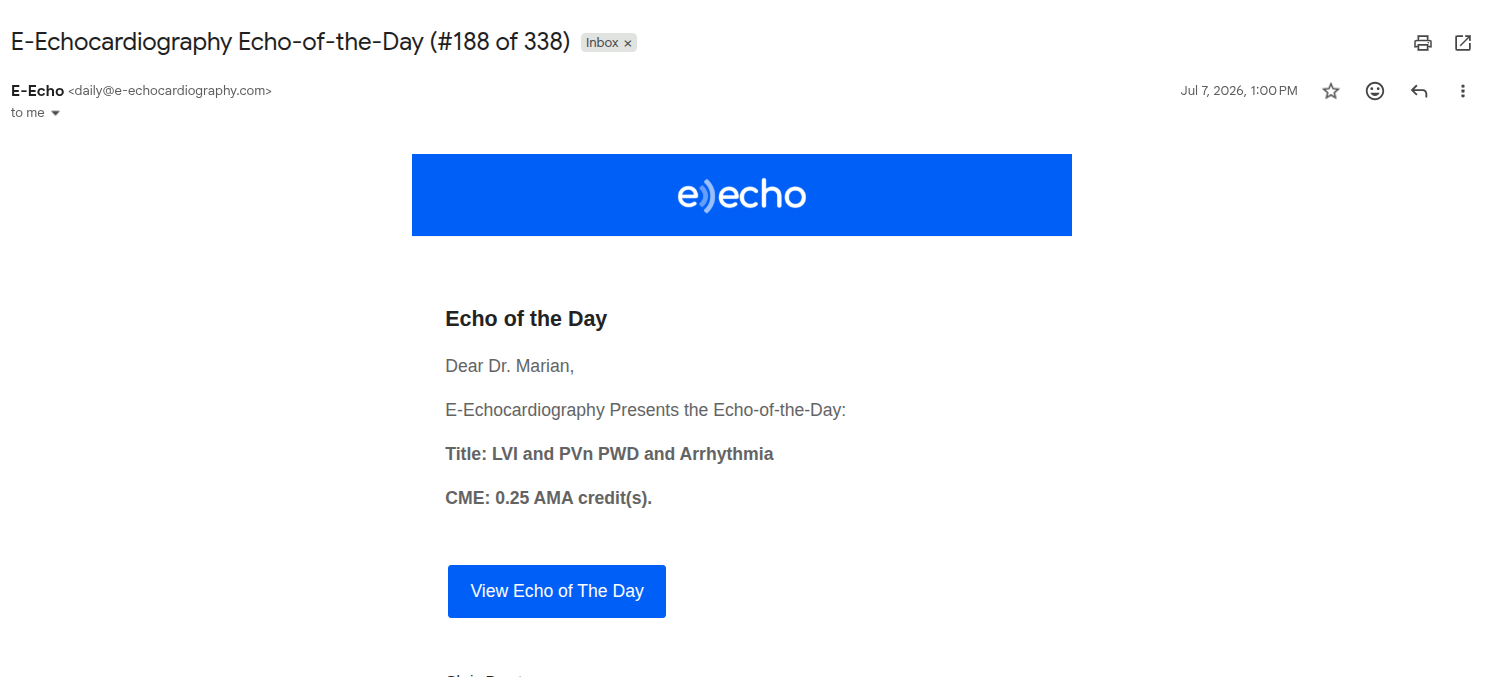
The case arrives by email, which sounds mundane and turns out to be the design decision that makes everything work: there's no app to remember to open. You get imaging, a tight clinical vignette, and four questions that ask you to commit - identify the view, quantify the lesion, pick the next move. Get them right and the 0.25 credits post automatically.
Weekly cases and the archive
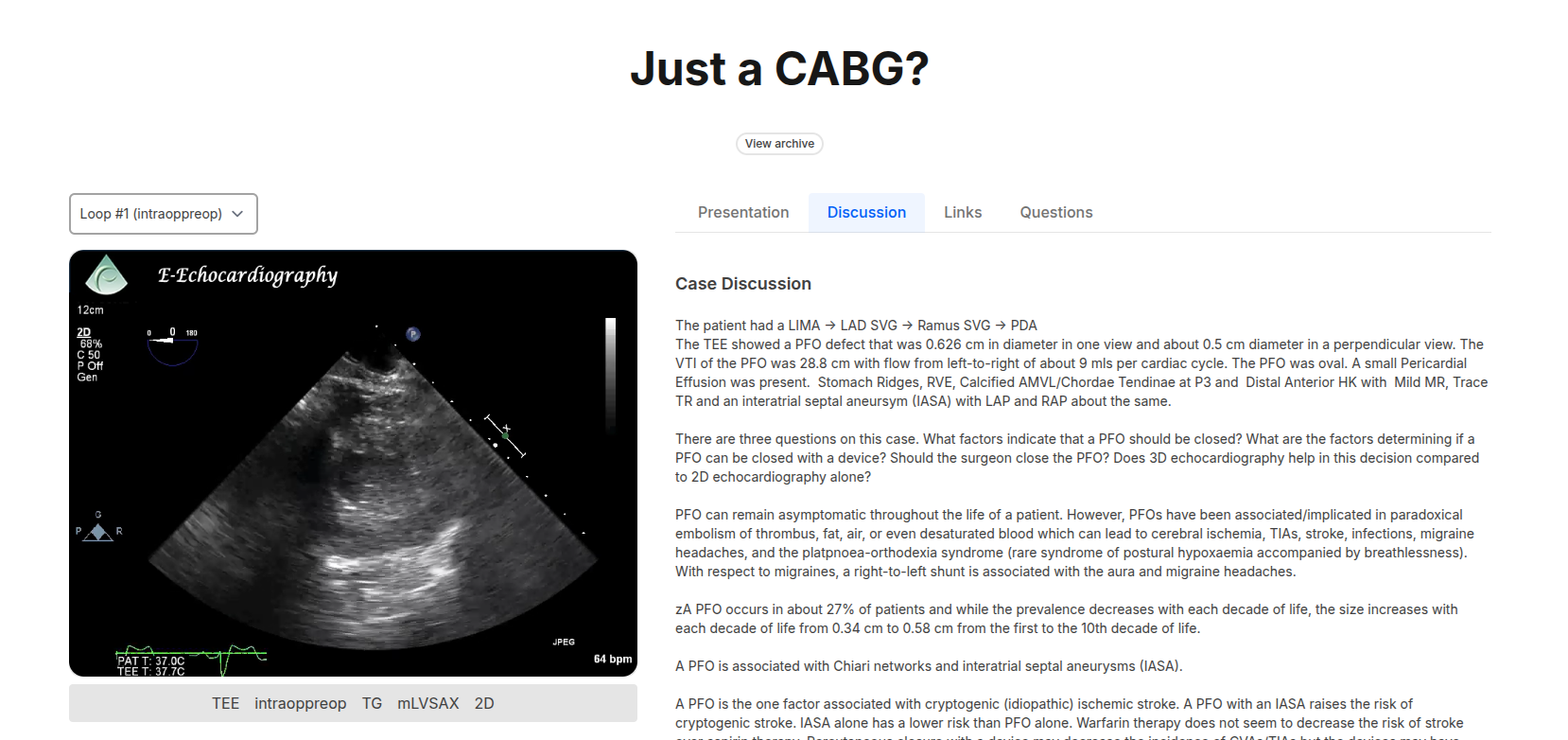
The weekly cases are the daily format with room to breathe: more history, more views, more discussion of the reasoning. And if you have a free evening or a deadline, the archive is the pressure valve - past cases remain available to complete, so the daily drip is a floor on your pace, not a ceiling. That's how the platform serves both the habit-builder and the last-minute crammer with the same content.
Courses, exams, and the atlas
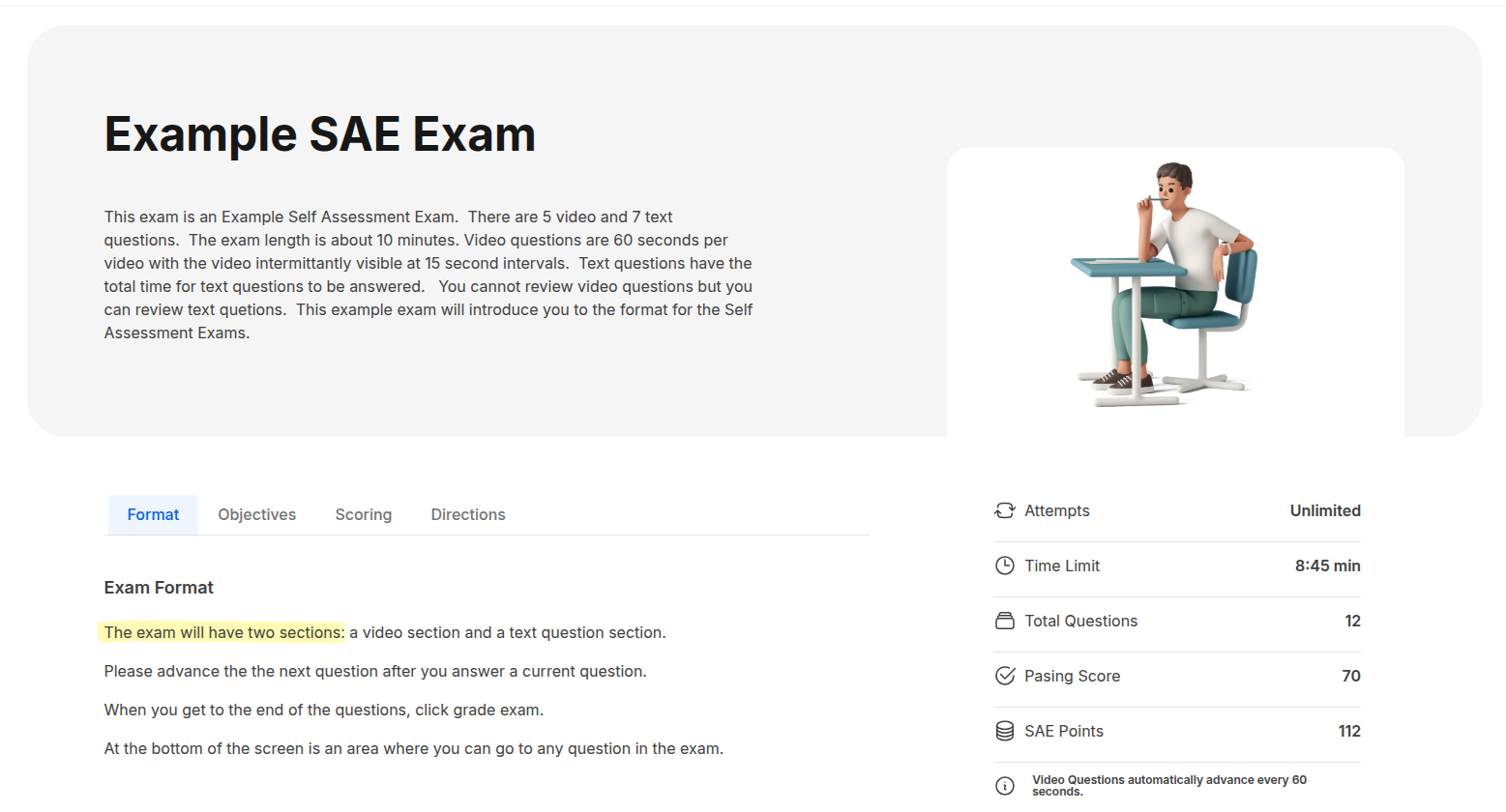
Beyond the cases sits the structured library - courses and exams that carry the bulk of the 150+ available credits - and the 8,000+ image atlas, which functions as a reference you keep using between CME needs.
Credit tracking and certificates
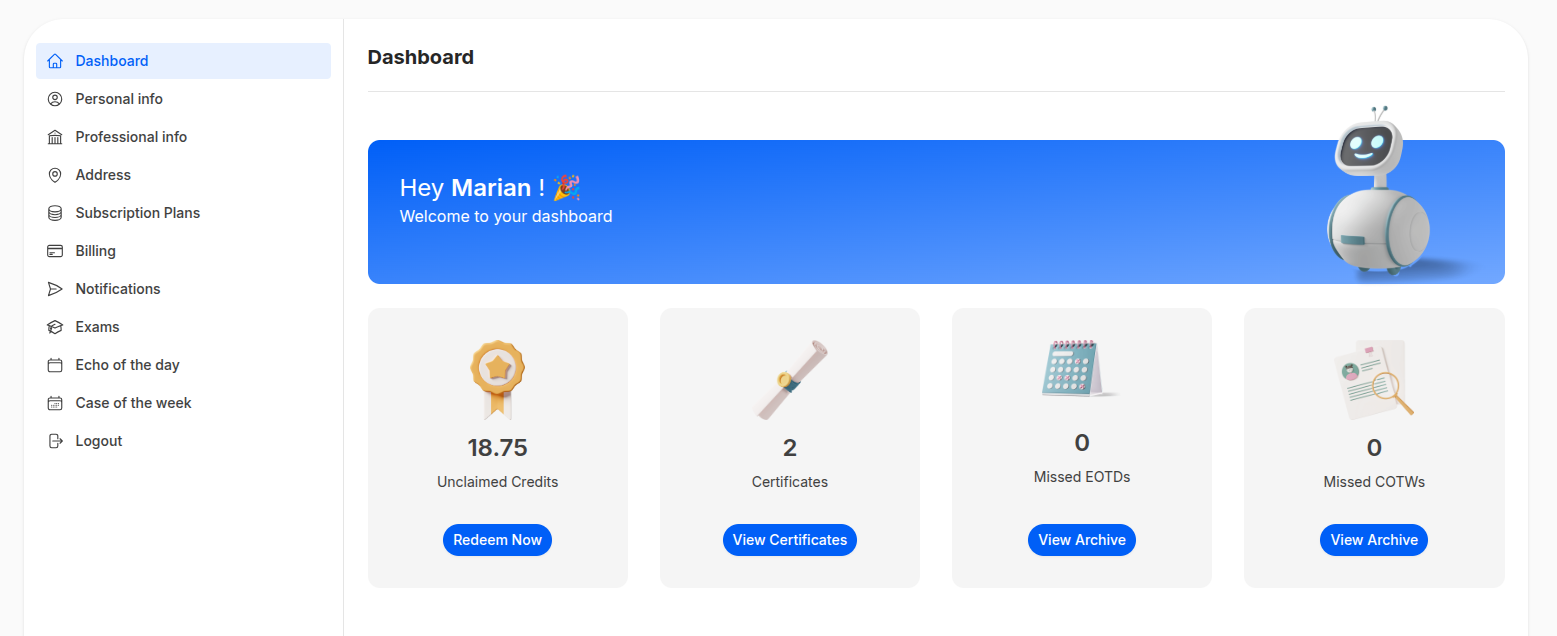
The site tracks completions automatically and generates PDF certificates on demand. The detail that deserves more attention than eEcho gives it: certificates remain downloadable even after your subscription ends. Anyone who has hunted a certificate from a defunct conference the week of a recert application will understand why this alone is worth something.
calculate Pricing and the cost-per-credit math
The number that matters is cost per credit. Their cost varies based on the plan. With the biggest plan, you end up paying ~$15/credit. For context, question-bank CME products in cardiology commonly work out to several times that per credit, and conference credits - once registration, travel, and lost clinical days are counted - cost more still. If the arithmetic lands where it usually does for a 150-credit subscription library, this table is the whole argument.
The cost-per-credit value here is undeniable, especially given the quality of the ACCME accredited content.
trending_down Room for Improvement
While the core educational product is great, there are areas we didn't like.
-
smartphone
Lack of a Native App
The web interface works fine on mobile, but a dedicated app with offline capabilities would elevate the experience significantly.
-
palette
Design
The interface can feel slightly inconsistent compared to modern SaaS platforms, though it remains functional.
-
cast_for_education
Lack of Atlas CME
Browsing through the cases within the Atlas area does not reward any CME credits.
eEcho vs. Alternatives
| Platform | Format | Credits | Best for |
|---|---|---|---|
| eEcho | Daily/weekly TEE cases | 150+ | TEE practitioners, habit-based CME |
| EchoSAP (ACC) | Curriculum + board-style questions | 136.75 (+ ABIM MOC) | Cardiologists wanting the official ACC curriculum |
| BoardVitals Echo | Question bank | 30 | Question-bank learners |
| Medmastery | Structured video courses | 6 (TEE course) | Trainees building fundamentals |
The honest summary: EchoSAP is the safer pick if ABIM MOC points are your priority and you want the institutional ACC stamp; Medmastery is the better teacher if you're learning TEE rather than maintaining it. eEcho wins on TEE depth, on cost per credit, and on being the only option built around a daily habit rather than a study session. The full field - including Mayo's lecture series, StatPearls, and the free options - is in our complete TEE CME comparison.
Frequently Asked Questions
Is eEcho legitimate and accredited?
Yes - it has operated for over 15 years and issues AMA PRA Category 1 Credits through an ACCME-accredited provider. Read the accreditation statement on their site before purchasing, as with any CME activity.
How fast can I earn 15 credits on eEcho?
At 0.25 credits per case, 15 credits is 60 completed cases. Working just the daily case, that's two months; working through the archive and course library, it's achievable in less than 2 hours. Either way it comfortably beats booking a conference.
Does eEcho count for MOCA? For NBE recertification?
MOCA: eEcho states its credits satisfy ABA MOCA requirements.
NBE recertification:
echo-specific Category 1 credits are what the requirement asks for - see our
full
requirements guide,
and confirm current policy with the NBE.
Is there a free trial?
No free trial, but you can create an account and explore before purchasing a plan. A plan purchase is required to redeem credits toward CME.
Do unused credits expire, and what happens after my plan year ends?
Plans are valid for 12 months from purchase, and pricing is based on how many credits you can redeem in that window (10, 25, or 50) rather than a subscription you renew or cancel. If you need more credits after your plan year, you purchase another plan - you're not billed automatically, and there's nothing to actively cancel
The Bottom Line
eEcho earns its 4.5/5 by being narrowly, deliberately excellent at one thing: turning CME from a deadline crisis into a two-minute daily habit for people who work at the TEE probe. The 150+ credit library means one subscription can carry an entire recertification cycle, the per-credit math embarrasses the alternatives, and the certificates policy respects that your credits outlive the plan you bought them under. The criticisms above are real but none of them touch the core use case.
View eEcho PlansIf you purchase through links on this page, we may earn a small commission at no extra cost to you.